

ACS Nano: Design of Black Phosphorus@Ti3C2Tx Composite Material Applied in Commercial Grade Capacitive Energy Storage Device
1. Article overview
The electrolyte can be close to the porous but dense MXene composite electrode with high ion accessible surface and fast ion transmission rate, showing extraordinary prospects in high-volume performance supercapacitors. However, they are largely limited by insufficient rate capability and poor electrochemical cycling capability, which is related to the instability of the mechanical robustness of the porous network structure. Using chemical bond design, BP nanoparticles were grown in situ on broken MXene sheets, and a dense black phosphorus (BP)@MXene thin film with a three-dimensional porous network structure was successfully prepared. The strong interface interaction (Ti-O-P bond) formed on the BP-MXene interface not only enhances the atomic charge polarization in the BP-MXene heterostructure, leading to effective interface electron transport, but also stabilizes the three-dimensional porous but The dense structure greatly improves the mechanical robustness. Therefore, the actual package using the BP@MXene composite film provides 72.6WhL−1, which is close to a lead-acid battery, and long-term stability. This high-density realization bridges the gap between traditional batteries and SCs, and represents a timely breakthrough in the design of compact electrodes to commercial-grade capacitive energy storage.
Two, graphic guide
The electrolyte can be close to the porous but dense MXene composite electrode with high ion accessible surface and fast ion transmission rate, showing extraordinary prospects in high-volume performance supercapacitors. However, they are largely limited by insufficient rate capability and poor electrochemical cycling capability, which is related to the instability of the mechanical robustness of the porous network structure. Using chemical bond design, BP nanoparticles were grown in situ on broken MXene sheets, and a dense black phosphorus (BP)@MXene thin film with a three-dimensional porous network structure was successfully prepared. The strong interface interaction (Ti-O-P bond) formed on the BP-MXene interface not only enhances the atomic charge polarization in the BP-MXene heterostructure, leading to effective interface electron transport, but also stabilizes the three-dimensional porous but The dense structure greatly improves the mechanical robustness. Therefore, the actual package using the BP@MXene composite film provides 72.6WhL−1, which is close to a lead-acid battery, and long-term stability. This high-density realization bridges the gap between traditional batteries and SCs, and represents a timely breakthrough in the design of compact electrodes to commercial-grade capacitive energy storage.
Two, graphic guide
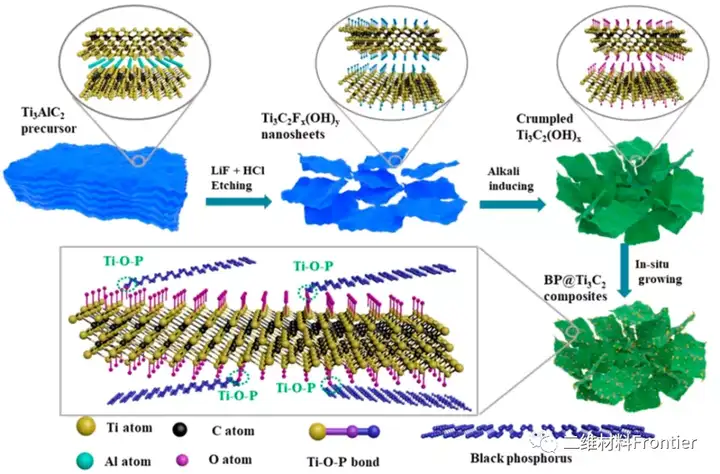
Figure 1. Synthetic schematic diagram of BP@MXene(BP@Ti3C2) composite material.
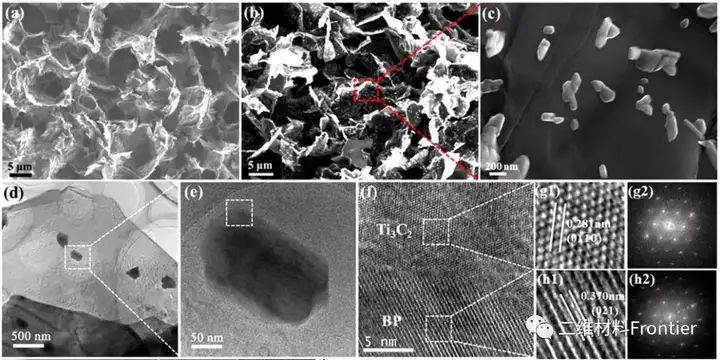
Figure 2. The structure characterization diagram of the material.
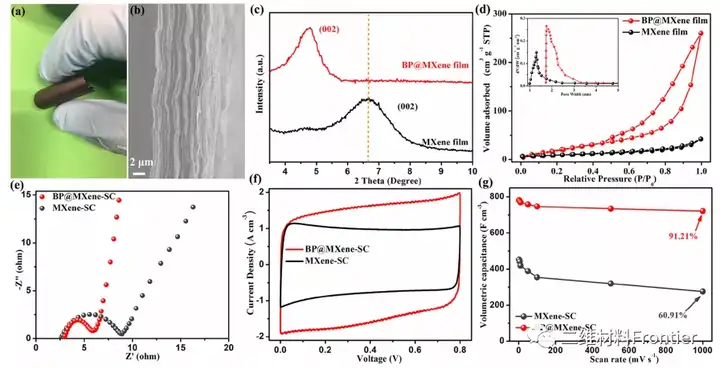
Figure 3. Electrochemical characterization of the material.
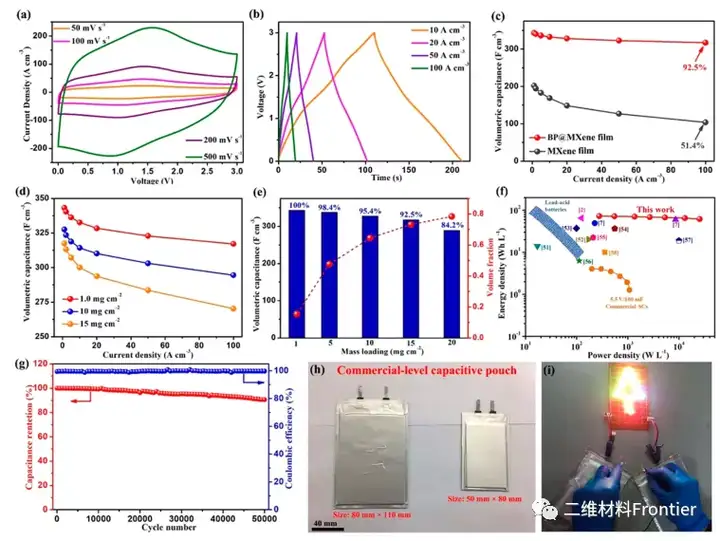
Figure 4. Electrochemical characterization of SCs in electromagnetic electrolyte based on BP@MXene film electrode.
3. Full text summary
In summary, the author studied the rational design of BP@MXenes compact three-dimensional porous network structure film. Under high temperature heat treatment, BP nanoparticles are grown in situ on the folded MXene sheet, resulting in a high-quality load. Commercial-level capacitive energy storage. The three-dimensional network in the compact film morphology provides the required porous structure transportation and absorption for electrolyte ions. At the same time, the stability is increased due to the strong Ti−O−P bond formed between BP nanoparticles and MXene. The use of chemical bonding design, Confirmed by steel, XPS and XANES. Realizing the commercial-grade energy storage shown in the article is an important step towards its practical application. In a dense membrane electrode, the concept of a reasonable design strategy for a porous but dense network accessible to the electrolyte can also be extended to other two-dimensional hybrid nanomaterial systems.
3. Full text summary
In summary, the author studied the rational design of BP@MXenes compact three-dimensional porous network structure film. Under high temperature heat treatment, BP nanoparticles are grown in situ on the folded MXene sheet, resulting in a high-quality load. Commercial-level capacitive energy storage. The three-dimensional network in the compact film morphology provides the required porous structure transportation and absorption for electrolyte ions. At the same time, the stability is increased due to the strong Ti−O−P bond formed between BP nanoparticles and MXene. The use of chemical bonding design, Confirmed by steel, XPS and XANES. Realizing the commercial-grade energy storage shown in the article is an important step towards its practical application. In a dense membrane electrode, the concept of a reasonable design strategy for a porous but dense network accessible to the electrolyte can also be extended to other two-dimensional hybrid nanomaterial systems.
Article link:
https://doi.org/10.1021/acsnano.1c01817
This information is sourced from the Internet for academic exchanges only. If there is any infringement, please contact us to delete it immediately.
18915694570
Previous: A classification model