

ACS Nano from Beihua Wanpengbos team: repairable/degradable MXene conductive hydrogel for multifunctional epidermal sensors

1. Article overview
Conductive hydrogel is an ideal material for epidermal sensors due to its similarity with biological tissues, good flexibility and high-precision sensing capabilities. However, it is still a challenge to develop a conductive hydrogel-based epidermal sensor that has long-term use and has reliable self-repair capabilities, flexible mechanical properties, environmental degradability, and can sense physiological stimuli and electrophysiological signals.
The team of Professor Wan Pengbo from Beijing University of Chemical Technology proposed a highly stretchable, self-repairing, degradable and biocompatible conductive hydrogel-based multifunctional epidermal sensor. MXene-PAA-ACC hydrogel is adopted The MXene nanosheet network is merged into a hybrid network of poly(acrylic acid) (PAA) and amorphous calcium carbonate (ACC). The epidermal sensor can sensitively detect human movements with a fast response time (20 ms), and can be used as an electronic skin to monitor electrophysiological signals (such as electromyogram and electrocardiogram signals) in a wireless manner. At the same time, the multifunctional skin sensor can be degraded in a phosphate buffered saline solution without causing any pollution to the environment. This series of research work reveals that conductive hydrogel skin sensors that are repairable, degradable and sensitive to electrophysiological signals have potential applications in the fields of human-computer interaction, health diagnosis, and intelligent robot prostheses.
Two, graphic guide
This paper reports the manufacturing process of a highly stretchable, self-healing and degradable multifunctional epidermal sensor inspired by the biomineralization process and assembled by conductive hydrogels composed of MXenes, PAA and ACC (Figure 1a) ). MXene-PAA-ACC hydrogel is obtained by merging the MXene nanosheet network into a hybrid network of PAA and ACC. The preparation method of the hydrogel is simple and does not require complicated molecular design or multi-step functionalization at room temperature. . Thanks to the supramolecular interaction between the abundant functional groups (F, OH, O, etc.) on the surface of MXene nanosheets and the carboxyl groups of PAA and Ca2+, MXene-PAA-ACC hydrogel has excellent self-healing ability.
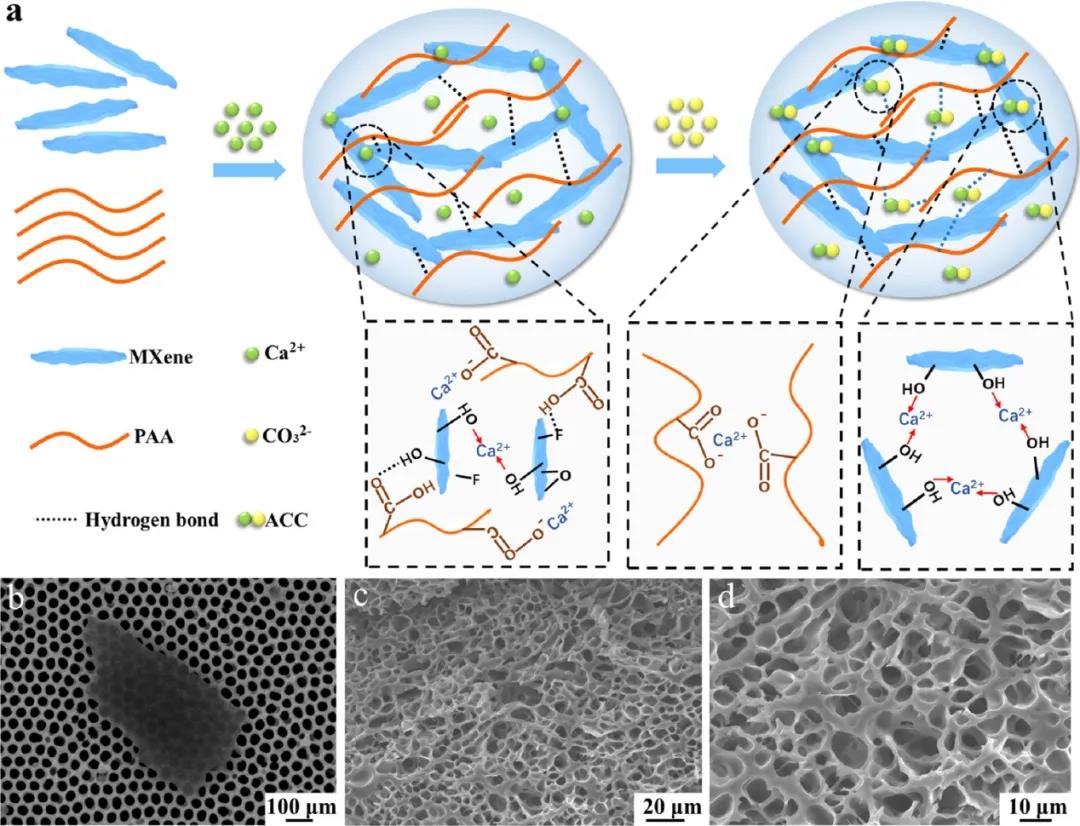
Figure 1. (a) Schematic diagram of the manufacture of MXene-PAA-ACC hydrogel.
(B) SEM images of layered MXene sheets and (c, d) lyophilized MXene-PAA-ACC hydrogels.
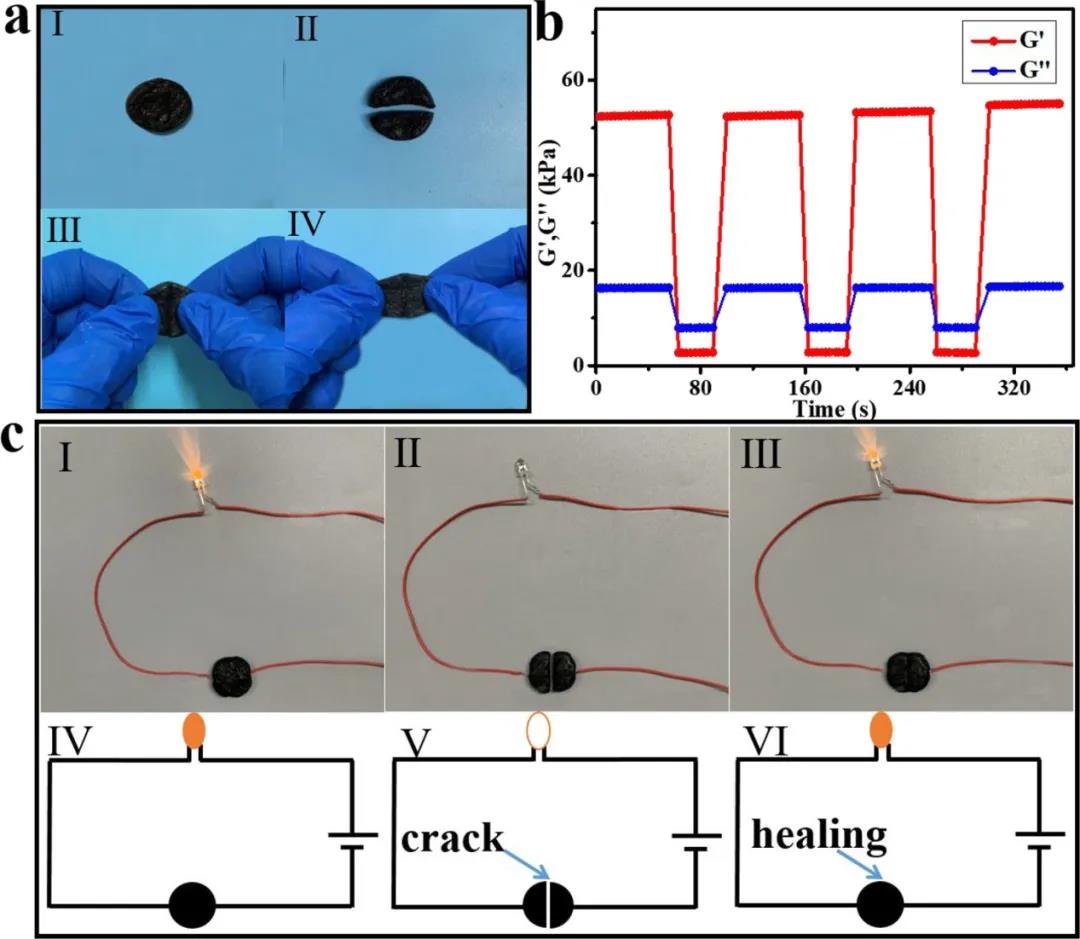
Figure 2. (a) Self-healing behavior of MXene-PAA-ACC hydrogel.
(B) Cyclic strain scan of MXene-PAA-ACC hydrogel.
(C) Circuit composed of MXene-PAA-ACC hydrogel and red LED bulb in series.
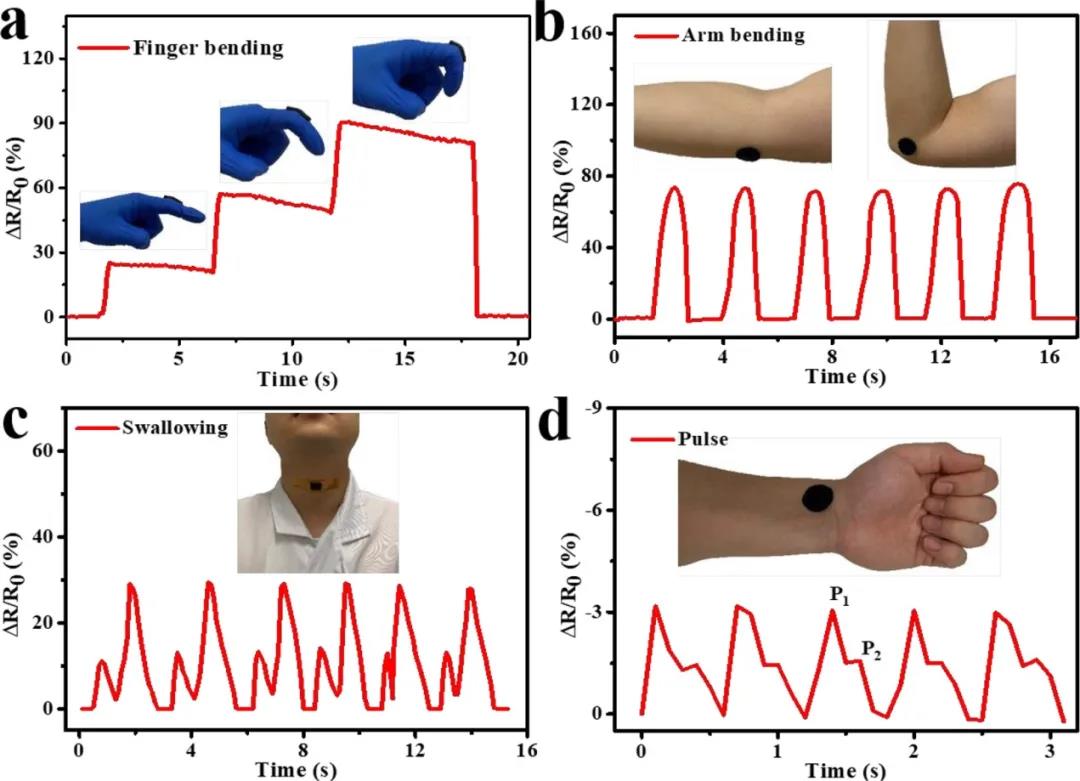
Figure 3. MXene-PAA-ACC hydrogel-based epidermal sensor for human movement monitoring.
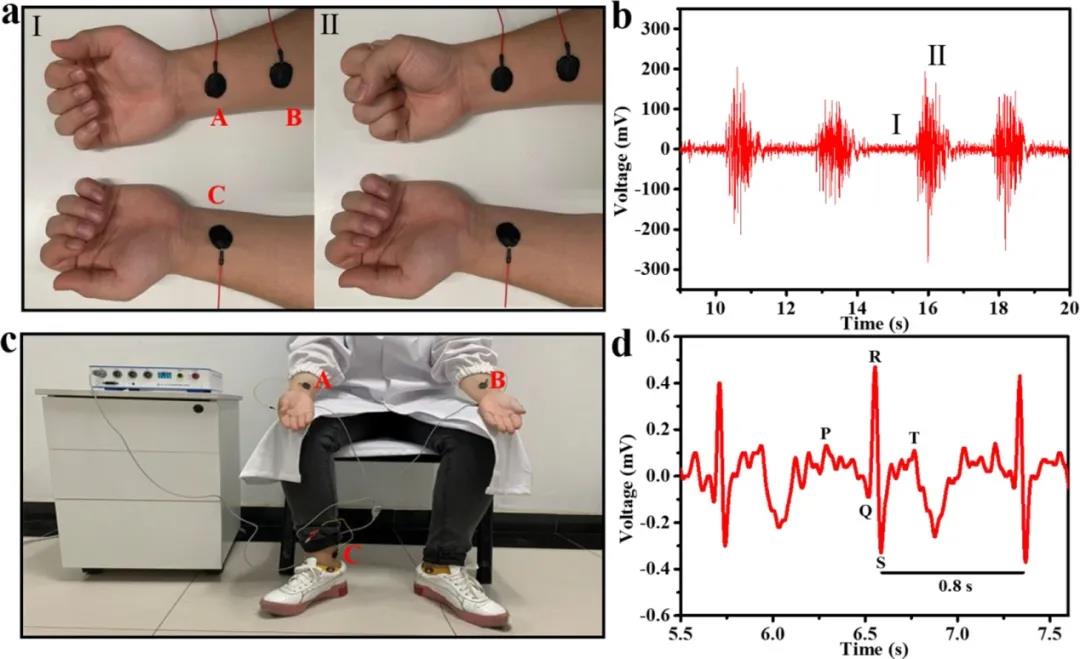
Figure 4. (a) Schematic diagram of the setup of EMG detection.
(C) Schematic diagram of ECG detection settings.
(D) ECG signal.
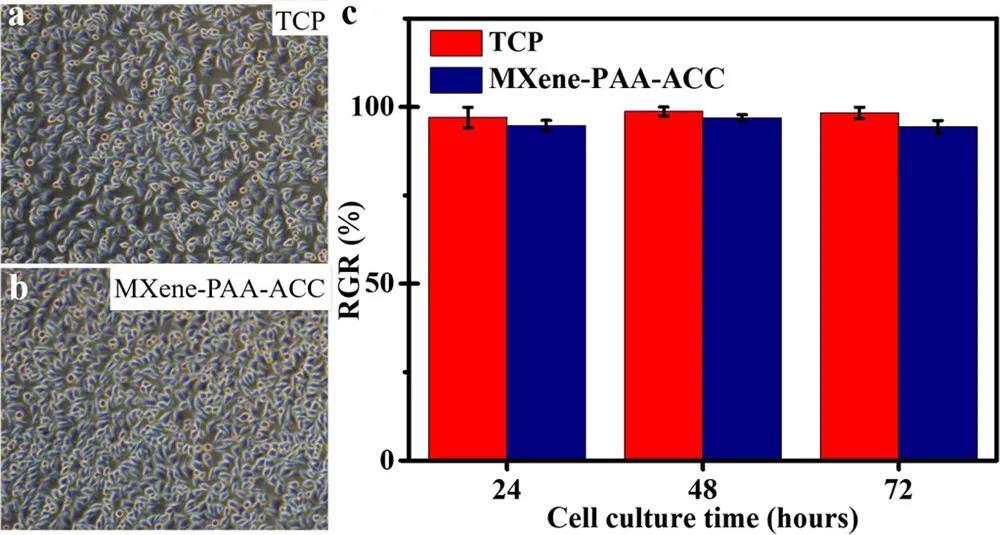
Figure 5. In vitro cytotoxicity results.
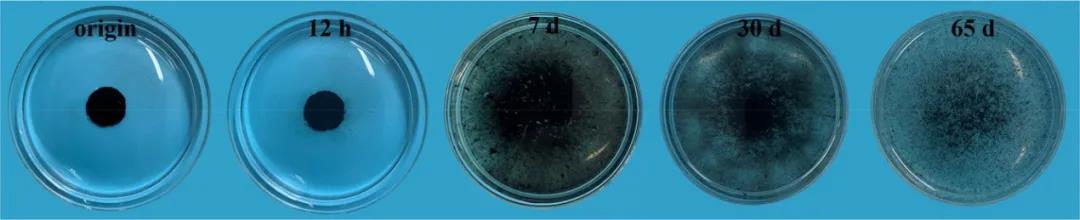
Figure 6. Photos of MXene-PAA-ACC hydrogels placed in PBS solution at different times.
3. Thesis information
Healable, Degradable, and Conductive MXene Nanocomposite Hydrogel for Multifunctional Epidermal Sensors
ACS Nano (IF=14.588)
Pub Date: 2021-03-26
https://doi.org/10.1021/acsnano.1c01751
Xiaobin Li, Lingzhang He, Yanfei Li, Mingyuan Chao, Mingkun Li, Pengbo Wan*, and Liqun Zhang
Interdisciplinary Research Center for Artificial Intelligence, College of Materials Science and Engineering, State Key Laboratory of Organic-Inorganic Composites, Beijing University of Chemical Technology, Beijing 100029, China
18915694570
Previous: Adv. Sci.: In-situ nan